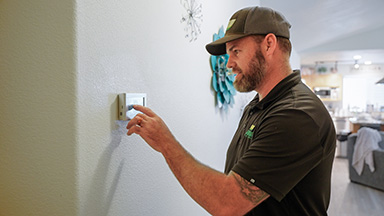
At Mahalo Heating and Air Conditioning, we often see homeowners surprised to learn that moisture and high humidity can directly impact heating efficiency. Excess moisture can be impactful during Oregon’s heating season, where cool, damp weather keeps homes sealed up for long stretches of time. Understanding how moisture affects heating performance is the first step toward improving efficiency and maintaining consistent comfort throughout cooler weather.

Why Indoor Humidity Is Common During Oregon Winters
Even though outdoor temperatures drop, moisture does not disappear in winter. Everyday activities such as cooking, showering, washing clothes, and even breathing add moisture to the air inside your home. During heating season, windows and doors stay closed to keep warmth in, which limits natural ventilation and allows humidity levels to rise.
In Oregon, prolonged rainy periods and cool weather can make it difficult for homes to naturally dry out. Without proper ventilation or moisture control, indoor humidity can slowly climb above ideal levels, often without homeowners realizing it.
How High Humidity Impacts Heating System Operation
When humidity levels are too high, heat may linger in some areas while other rooms feel inconsistent or uneven. This can cause homeowners to make frequent thermostat adjustments, leading to longer run times and additional cycling of the heating system. Over time, these patterns can reduce efficiency and make it harder to maintain your home comfort.
Comfort Problems Linked to High Indoor Humidity
Home comfort complaints during the winter are often tied to moisture levels rather than the temperature alone. Homes with high humidity often feel stuffy or heavy, even when the heat is running. Some rooms may feel warmer than others, and damp indoor air can contribute to lingering odors that make a home feel less fresh. When humidity is balanced, heat distributes more evenly, and indoor air feels cleaner and more comfortable without the need to constantly adjust the thermostat.
Controlling Humidity With a Whole Home Dehumidifier
Effective humidity control plays an important role in helping heating systems operate efficiently. Solutions may include improving ventilation and keeping up with routine HVAC maintenance. In homes with elevated moisture levels, whole-home dehumidifiers can make a huge difference.
When professionally installed by our team, a whole-home dehumidifier works alongside your heating system to remove excess moisture from the air. This allows heat to circulate more evenly and reduces strain on HVAC components. Proper installation depends on your home’s layout, existing HVAC equipment, and overall indoor air conditions, which is why professional evaluation and installation is so important.
Balanced Humidity Supports Reliable Heat
Heating performance is about more than just temperature. When indoor humidity is properly managed, heating systems run more smoothly, comfort improves, and equipment experiences less unnecessary wear.
If your home feels uncomfortable or your heating system seems to be working harder than expected, excess humidity may be part of the issue. A professional assessment can help identify the cause and recommend the right solutions for long-term comfort and efficiency.
Contact Mahalo Heating and Air Conditioning to schedule a professional evaluation and learn how addressing humidity issues can support better heating performance and long-term comfort.
 541-672-6707