Investing in a heat pump is a smart decision for energy-efficient heating and cooling, but understanding the costs involved is crucial. Homeowners in Roseburg, OR, often ask, “How much does a heat pump installation cost?” While prices vary based on several factors, knowing what to expect can help you make an informed decision.
At Mahalo Heating and Air Conditioning, we provide expert heat pump installation services to ensure comfort and efficiency in your home.
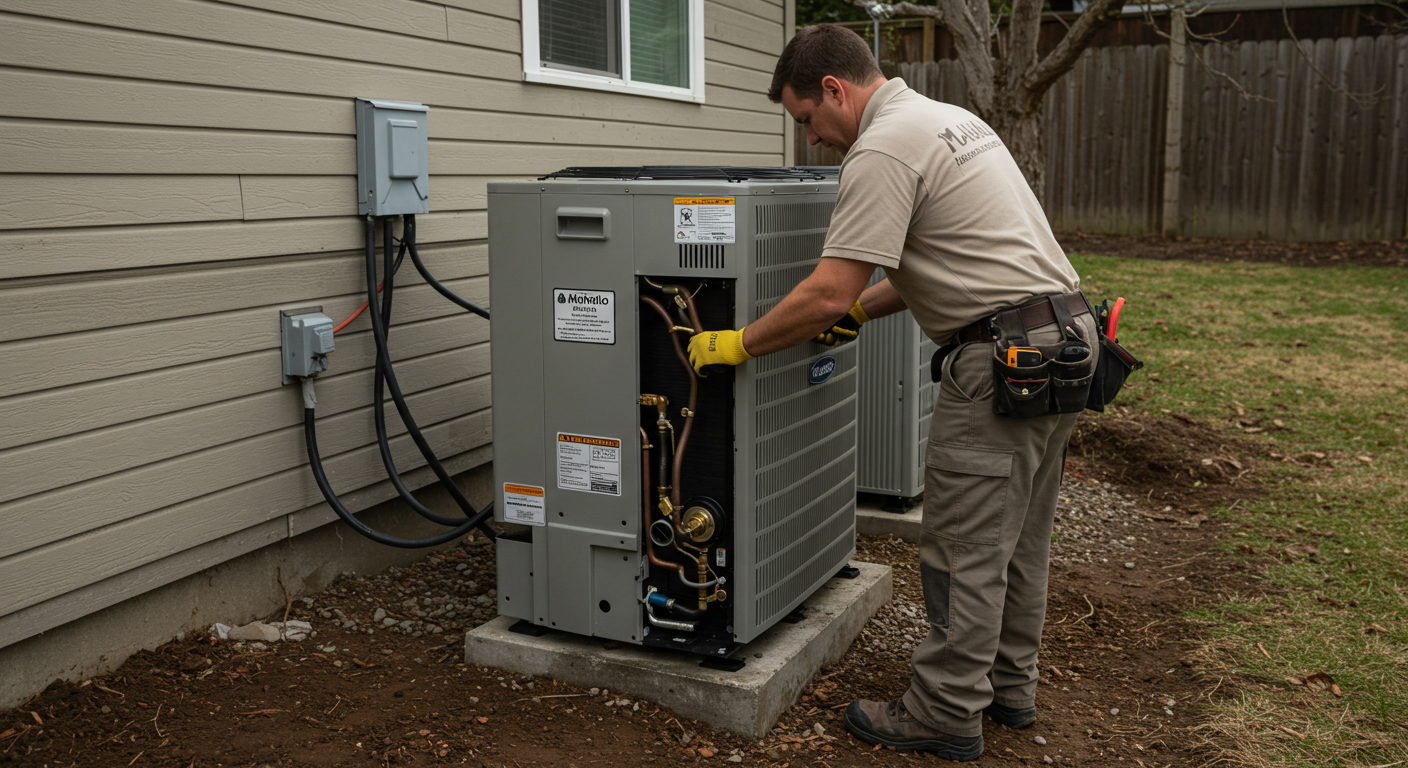
Introduction to Heat Pumps
Heat pumps are an increasingly popular solution for homeowners seeking a cost-effective and energy-efficient way to manage their home’s heating and cooling needs. Unlike traditional systems that generate heat by burning fuel, heat pumps work by transferring heat from one place to another—either bringing warmth into your home during the winter or moving heat out during the summer. This process makes them a highly efficient choice for year-round comfort.
There are several types of heat pumps to consider. Air source heat pumps are the most common and are well-suited for moderate climates. Geothermal heat pumps, also known as ground source heat pumps, use the stable temperature of the earth to provide even greater efficiency, though they require a higher upfront investment. Mini split heat pumps, or ductless systems, offer flexibility for homes without existing ductwork and can be installed in individual rooms or zones. Each type of heat pump system has its own advantages, and the best choice will depend on your home’s size, layout, climate, and budget. No matter which option you choose, heat pumps typically offer a cost effective and environmentally friendly way to achieve reliable heating and cooling.
Factors That Affect Heat Pump Installation Costs
Type of Heat Pump
The cost of a heat pump depends on the type you choose:
- Air-Source Heat Pumps – Typically more affordable and widely used.
- Ground-Source (Geothermal) Heat Pumps – Also known as geothermal systems, these use underground heat exchange for heating and cooling. They have higher upfront costs but offer greater long-term savings due to their efficiency.
- Ductless Mini-Split Systems – Also referred to as ductless heat pumps, these are ideal for homes without ductwork, offering flexible installation. For a deeper comparison, see mini-split vs traditional heat.
Mini split heat pump systems are generally more flexible and cost-effective compared to geothermal systems, making them a popular choice for retrofits and smaller spaces.
For colder climates, a dual fuel system is an efficient option that combines an electric heat pump with a backup gas furnace, automatically switching between the two to optimize energy efficiency and reduce heating costs during extreme cold weather.
Size and Capacity
Heat pumps are sized based on the square footage of your home and the heat pump capacity required for efficient operation. Both cooling capacity and heating and cooling capacity must be matched to your home’s specific needs to ensure optimal performance and comfort. A professional load calculation, such as Manual J, is essential to determine the correct system size and avoid inefficiency or premature system failure. A properly sized unit ensures optimal efficiency, while an undersized or oversized unit can lead to performance issues and higher energy costs.
Installation Complexity
Factors such as existing ductwork, home layout, upgrading the electric panel, and additional modifications (e.g., electrical upgrades) can impact installation costs.
Installation may involve connecting the indoor air handler and outdoor unit, and both indoor and outdoor units are standard components of a heat pump system. For ductless systems, installing a drain line is necessary to ensure proper operation and efficiency.
Energy Efficiency Ratings
When evaluating SEER (Seasonal Energy Efficiency Ratio) and HSPF (Heating Seasonal Performance Factor) ratings, it’s important to consider the heat pump’s efficiency as a key factor. Higher SEER and HSPF ratings indicate better efficiency, which can improve comfort and performance in both cooling and heating modes, but they may come with a higher upfront price.
Additional Features
Smart thermostats, variable-speed compressors, and advanced filtration systems can enhance comfort but may increase installation expenses. If you’re curious about maintaining these features, read what heat pump tune-ups include and why they matter.
Cooling System Considerations
When planning for a new heat pump system, it’s important to think beyond just heating—your cooling system plays a vital role as well. Heat pumps are designed to provide both heating and cooling, making them a versatile choice for year-round comfort. However, the effectiveness of your cooling system will depend on proper design and installation tailored to your home’s unique needs.
Factors such as the size and layout of your home, insulation levels, and local climate all influence the type of cooling system that will work best. Common options include traditional air conditioning units, which can be integrated with your heat pump, as well as more specialized solutions like evaporative coolers or radiant cooling systems. Ensuring your heat pump and cooling system are properly matched and installed will help maintain comfortable indoor temperatures during the hottest months, while also maximizing energy efficiency and keeping energy costs in check.
HVAC System Integration
Integrating a new heat pump system with your existing HVAC equipment is a critical step that requires careful planning and expertise. A qualified HVAC contractor will assess your current system to determine the best approach for incorporating a heat pump, whether that means connecting to existing ductwork, upgrading your electrical panel, or installing new components like an air handler or indoor coil.
Proper integration ensures that your heat pump system operates efficiently and delivers consistent heating and cooling throughout your home. It may also involve updating thermostats, improving insulation, or making other modifications to enhance system efficiency. By working with an experienced HVAC contractor, you can be confident that your new heat pump will be seamlessly integrated with your current HVAC system, providing reliable comfort and energy savings for years to come.
Local Labor Rates and Regulations
The total cost of a heat pump installation can vary significantly depending on local labor rates and building regulations. Labor costs tend to be higher in urban areas compared to rural locations, and these expenses can make up a substantial portion of your overall project costs. Additionally, local building codes and regulations may require specific installation methods, equipment standards, or permits, all of which can influence the final price.
To ensure a smooth and compliant pump installation, it’s essential to hire an HVAC contractor who is familiar with the local labor rates and regulatory requirements in your area. This expertise helps avoid costly delays or rework and ensures your heat pump installation meets all necessary safety and efficiency standards. By understanding the impact of local factors, you can better anticipate the cost of a heat pump and make informed decisions about your investment.
Replacement Costs and Upgrades
Upgrading to a new heat pump system or replacing an older unit is a significant investment, but one that can pay off in improved comfort and lower energy bills. The cost of a new heat pump will depend on factors such as the size and type of system, its efficiency ratings, and the complexity of the installation. Additional upgrades—like new ductwork, electrical enhancements, or advanced controls—may also be necessary to ensure your new heat pump operates at peak performance.
While the upfront cost of a new heat pump system can be substantial, many homeowners find that the long-term energy savings and increased home value make it a worthwhile upgrade. Working with a knowledgeable HVAC contractor is key to evaluating your current system, identifying the best replacement options, and ensuring your new heat pump is properly installed and maintained. With the right system in place, you can enjoy reliable heating and cooling, improved indoor air quality, and significant energy savings for years to come.
Estimated Cost of Heat Pump Installation
When considering a new system, heat pump cost is a key factor for homeowners. While costs can vary, homeowners can expect:
- Basic Air-Source Heat Pump Installation – $4,000 to $8,000 (price typically includes having the heat pump installed by a professional)
- Ductless Mini-Split Installation – $3,000 to $10,000 (varies by number of indoor units and usually includes professional installation)
- Geothermal Heat Pump Installation – $10,000 to $30,000 (due to excavation and loop system installation, with installation costs included)
Tax credits and rebates can help offset the heat pump installation cost, so be sure to explore available incentives. Investing in a high-efficiency system can also result in lower energy costs over time. In regions with extremely cold temperatures, additional equipment or backup heating systems may be needed, which can increase the overall installation cost.
Local incentives and rebates may be available to help offset costs—check with Mahalo Heating and Air Conditioning for the latest offers in Roseburg, OR.
Benefits of Installing a Heat Pump
- Energy Efficiency – Heat pumps use less energy than traditional HVAC systems, reducing utility bills and contributing to lower energy costs, especially with advanced features like two-stage and variable capacity technology.
- Year-Round Comfort – Provides both heating and cooling in one system.
- Lower Carbon Footprint – More environmentally friendly compared to fossil-fuel-based heating.
- Long-Term Savings – Although the upfront cost may be higher, operational savings over time and the ability to save money through reduced repair costs with proper installation make heat pumps a worthwhile investment.
FAQs About Heat Pump Installation
How long does it take to install a heat pump?
Most installations take 1 to 3 days, depending on system complexity and home modifications.
Are there financing options available?
Yes! Many HVAC companies, including Mahalo Heating and Air Conditioning, offer financing plans to make heat pump installation more affordable.
How do I choose the right heat pump for my home?
A professional assessment from our team ensures the right size, type, and efficiency level for your needs. To keep your new system running smoothly, consider our heat pump repair maintenance options.
Do heat pumps work in cold climates?
Yes! Modern heat pumps are designed to function efficiently in colder temperatures, with some models operating effectively below freezing.
Trust Mahalo Heating and Air Conditioning for Your Heat Pump Installation
With years of experience serving Roseburg, OR, Mahalo Heating and Air Conditioning provides expert heat pump installation services tailored to your home’s needs. Our team ensures you receive the best system for optimal efficiency and comfort.
Frequently Asked Questions
Question: What factors influence the cost of installing a heat pump?
Answer: The cost varies with the type of heat pump you choose (air-source, geothermal, ductless mini-split), the system size, existing ductwork and electrical needs, efficiency ratings, and extra features like smart thermostats. More complex installations and upgrades can increase the total price.
Question: How much does a basic heat pump installation typically cost?
Answer: Homeowners can generally expect basic air-source heat pump installation to range from about $4,000 to $8,000, while ductless mini-splits often fall around $3,000 to $10,000, depending on the number of indoor units and complexity.
Question: What is the cost range for geothermal heat pump installation?
Answer: Geothermal heat pump systems usually cost more due to ground loop installation, with typical prices falling between $10,000 and $30,000, reflecting excavation and specialized setup.
Question: Are there cost savings or incentives available for heat pump installations?
Answer: Many local incentives and rebates may help lower upfront heat pump costs, and financing plans are often available, making efficient systems more affordable for homeowners.
Question: How long does a heat pump installation usually take?
Answer: Most heat pump installations take about 1 to 3 days to complete, depending on the system’s complexity and any required modifications to your home’s infrastructure.
Get a Free Quote on Heat Pump Installation Today
Ready to upgrade your home’s heating and cooling system? Contact Mahalo Heating and Air Conditioning today for a free estimate on heat pump installation. Visit us at for more details.
 541-672-6707