Oregon winters are often mild, but when a cold snap hits, furnaces can suddenly feel overwhelmed. Homeowners are often surprised when their heating system struggles during the coldest days of the season, even if it seemed to work fine earlier in winter. Understanding why this happens—and how to address it—can help protect comfort, safety, and system reliability when temperatures drop unexpectedly.
Cold Snaps Push Furnaces Beyond Their Comfort Zone
During most of the winter, furnaces in Oregon operate under moderate demand. When a sudden cold snap arrives, the system must work longer and harder to maintain indoor temperatures. This increased workload can expose underlying issues that weren’t noticeable during milder weather.
Older or poorly maintained systems are especially vulnerable. Components that are already worn may struggle to keep up, leading to uneven heating, longer run times, or frequent cycling as the furnace attempts to meet demand.
Restricted Airflow Makes Cold Weather Worse
Airflow plays a critical role in furnace performance. When airflow is restricted, the system cannot distribute heat effectively throughout the home. During a cold snap, this problem becomes more noticeable as rooms take longer to warm or never quite reach a comfortable temperature.
Dust buildup, aging ductwork, or system wear can all reduce airflow. When the furnace is already under pressure from colder outdoor temperatures, these restrictions can significantly reduce efficiency and comfort.
Aging Components Lose Efficiency in Extreme Cold
Furnace components naturally wear down over time. Heat exchangers, burners, and blowers may not perform as efficiently as they once did. During cold snaps, the system relies on these parts to operate at peak performance.
When components are past their prime, the furnace may run longer cycles, make unusual noises, or shut off more frequently. These symptoms often indicate that professional attention is needed to prevent further strain or breakdowns.
Thermostat and Control Issues Can Add Stress
Temperature swings during cold snaps can also reveal issues with thermostats or system controls. If the thermostat struggles to accurately read indoor temperatures, the furnace may cycle improperly or fail to maintain consistent comfort.
Control issues can lead to unnecessary system stress, especially when outdoor temperatures remain low for extended periods. Addressing these concerns early helps ensure the furnace responds correctly when demand is highest.
Why Professional Service Makes a Difference
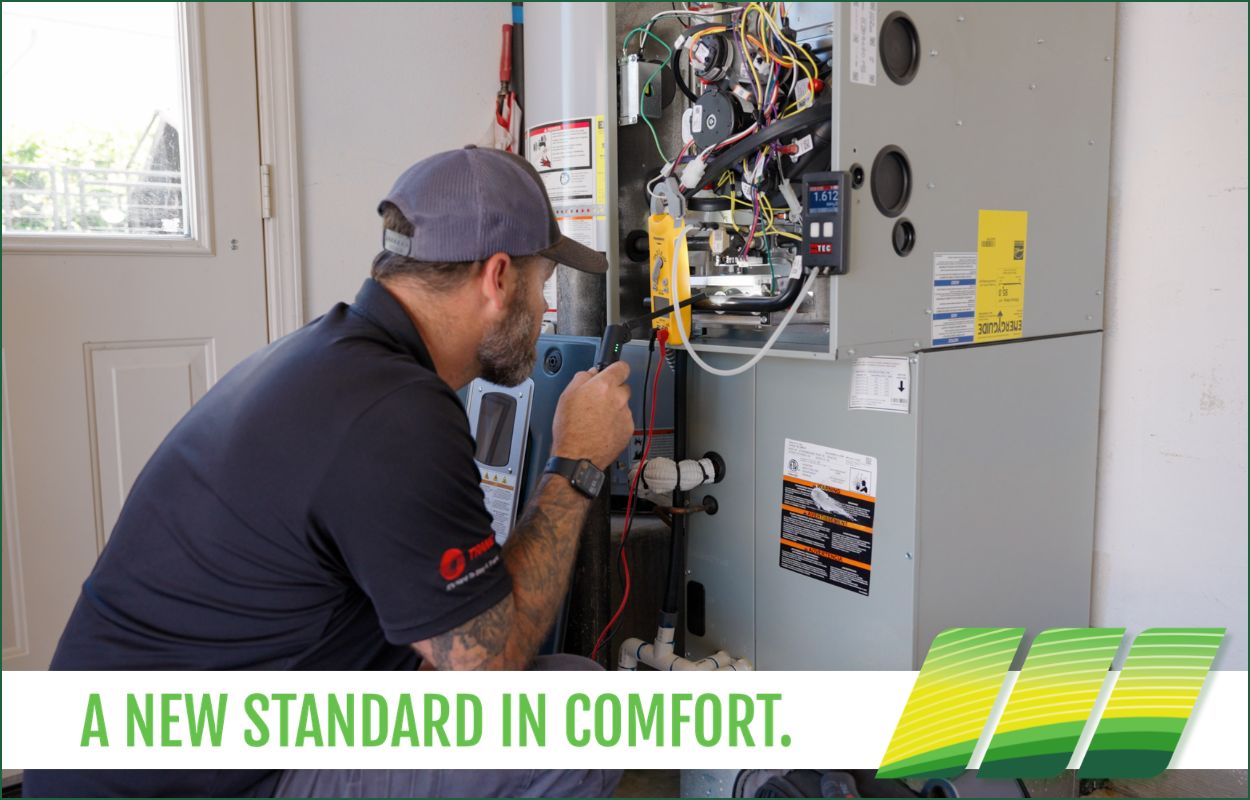
When a furnace struggles in cold weather, a professional evaluation is essential. A trained technician can identify airflow issues, inspect critical components, and ensure the system operates safely and efficiently.
Professional service helps prevent minor issues from escalating into major repairs during the coldest days of the year. It also supports better performance during future cold snaps by reducing system strain and improving overall reliability.
Preparing for the Next Cold Snap
Proactive care is the best way to prepare for Oregon’s unpredictable winter weather. Regular professional inspections allow potential issues to be addressed before extreme temperatures arrive.
A well-maintained furnace is better equipped to handle sudden temperature drops, providing steady warmth and peace of mind throughout winter.
Schedule Furnace Service with Mahalo Heating and Air Conditioning
If your furnace struggles during cold snaps, professional support can make all the difference. Mahalo Heating and Air Conditioning provides expert furnace service designed to improve performance, reliability, and comfort during Oregon’s coldest weather.
Contact Mahalo Heating and Air Conditioning today to schedule heating service.
 541-672-6707